Detergent
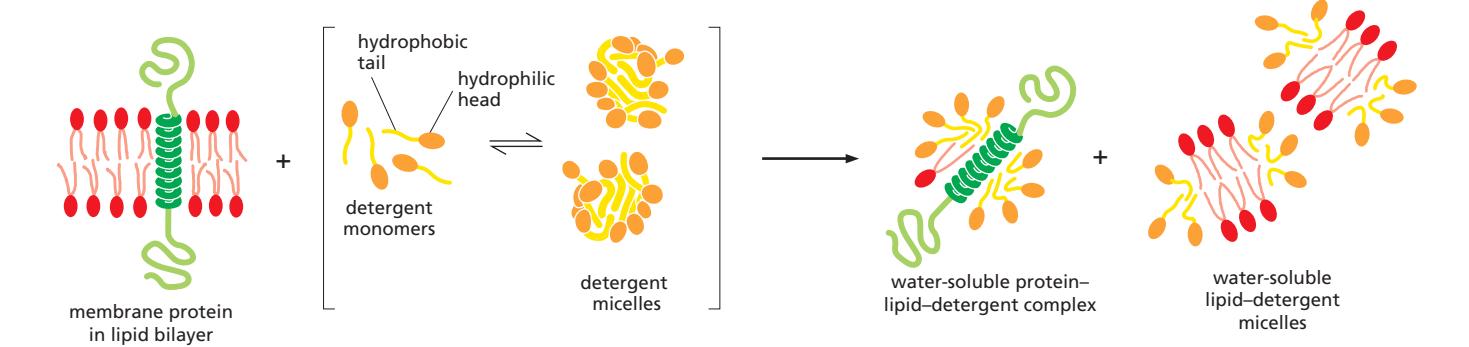
Detergent는 hydrophobic association을 파괴하고 lipid bilayer를 disassemble하여 Membrane protein을 가용성 형태로 방출할 수 있는 유일한 agent이다. 이는 small amphiphilic molecule로 가변적인 구조를 가진다.
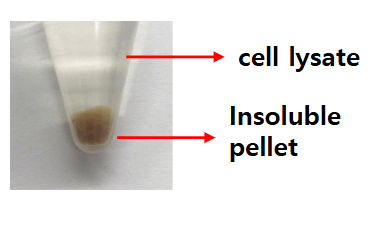
- 세포를 파괴하면, free soluble protein은 쉽게 추출 가능하나, membrane과 membrane protein은 녹지 않고 insoluble pellet으로 남는다.
- detergent를 넣어주면, protein-lipid-detergent complex, lipid-detergent complex는 cell lysate에 남는다.
detergent 의 종류
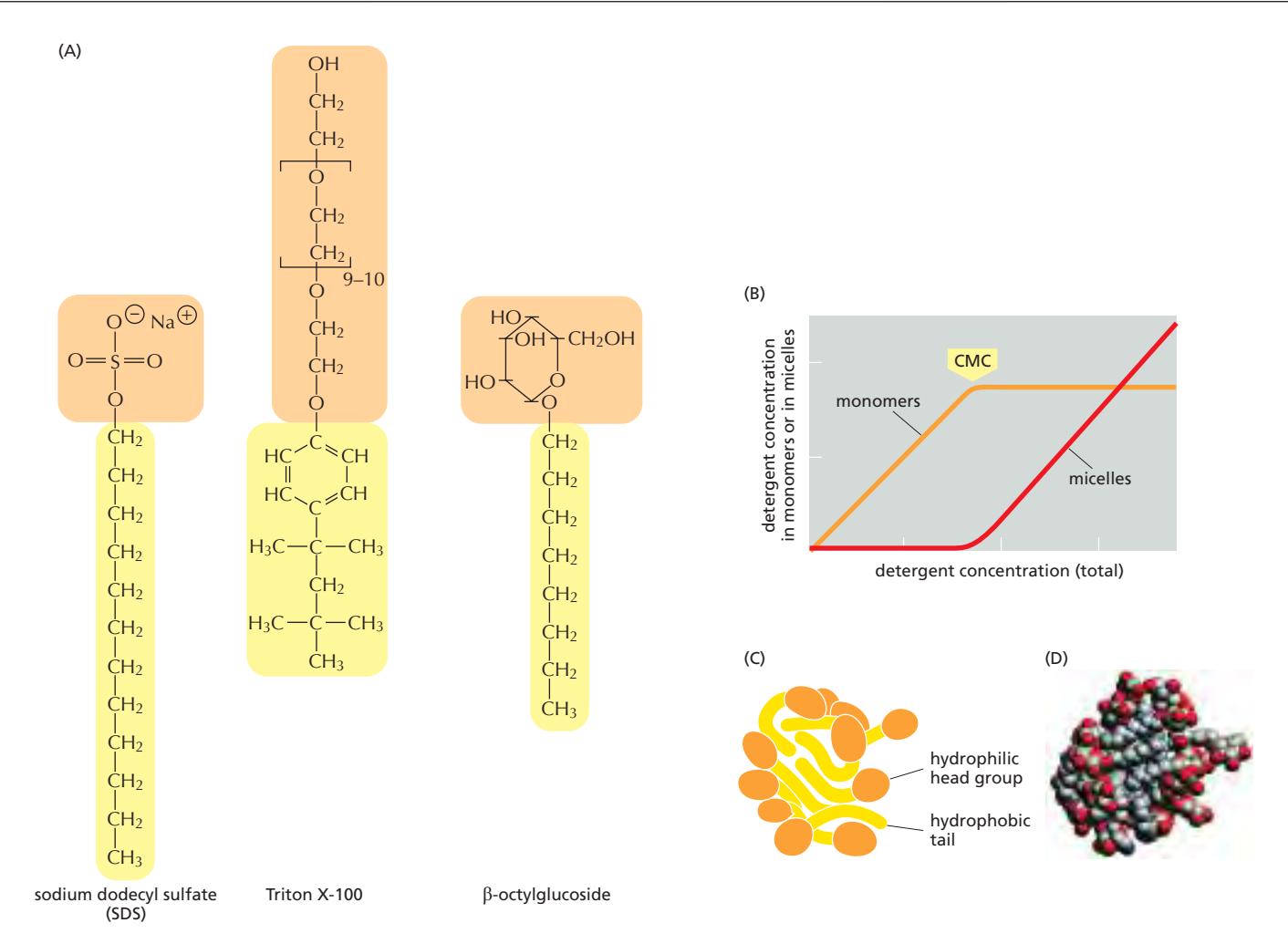
Polar (hydrophilic) end는 두 가지 type이 있다:
Ionic (charged):
- 예: Sodium dodecyl sulfate (SDS)
- Anionic detergent
- 강한 ionic detergent
Nonionic (uncharged):
- 예: β-octylglucoside, Triton X-100
- 온화한 detergent
- Triton X-100은 혼합물로, bracket으로 표시된 region이 9-10회 반복됨
위 그림 (A)는 세 가지 commonly used detergent를 보여준다. 각 detergent의 hydrophobic portion은 노란색, hydrophilic portion은 주황색으로 표시되어 있다.
SDS
- ionic
- 너무 강해서 membrane protein이 soluble하지만 파괴됨. 3차구조가 풀림
- 단백질은 특성을 잃고, 단지 실험적으로 protein의 존재를 알 수 있을 뿐임.
triton x-100
- 셋 중 가장 약해서 protein을 파괴하지는 않지만
- membrane protein을 insoluble pellet에서 완전히 꺼내기 위해 soluble 할 수 없게 되어 검출할 수 없는 경우가 있다.
β-octylglucoside
- 둘의 중간정도로, membrane protein을 soluble하게 만들고 구조도 잘 파괴하지 않아 membrane protein 연구에 좋다.